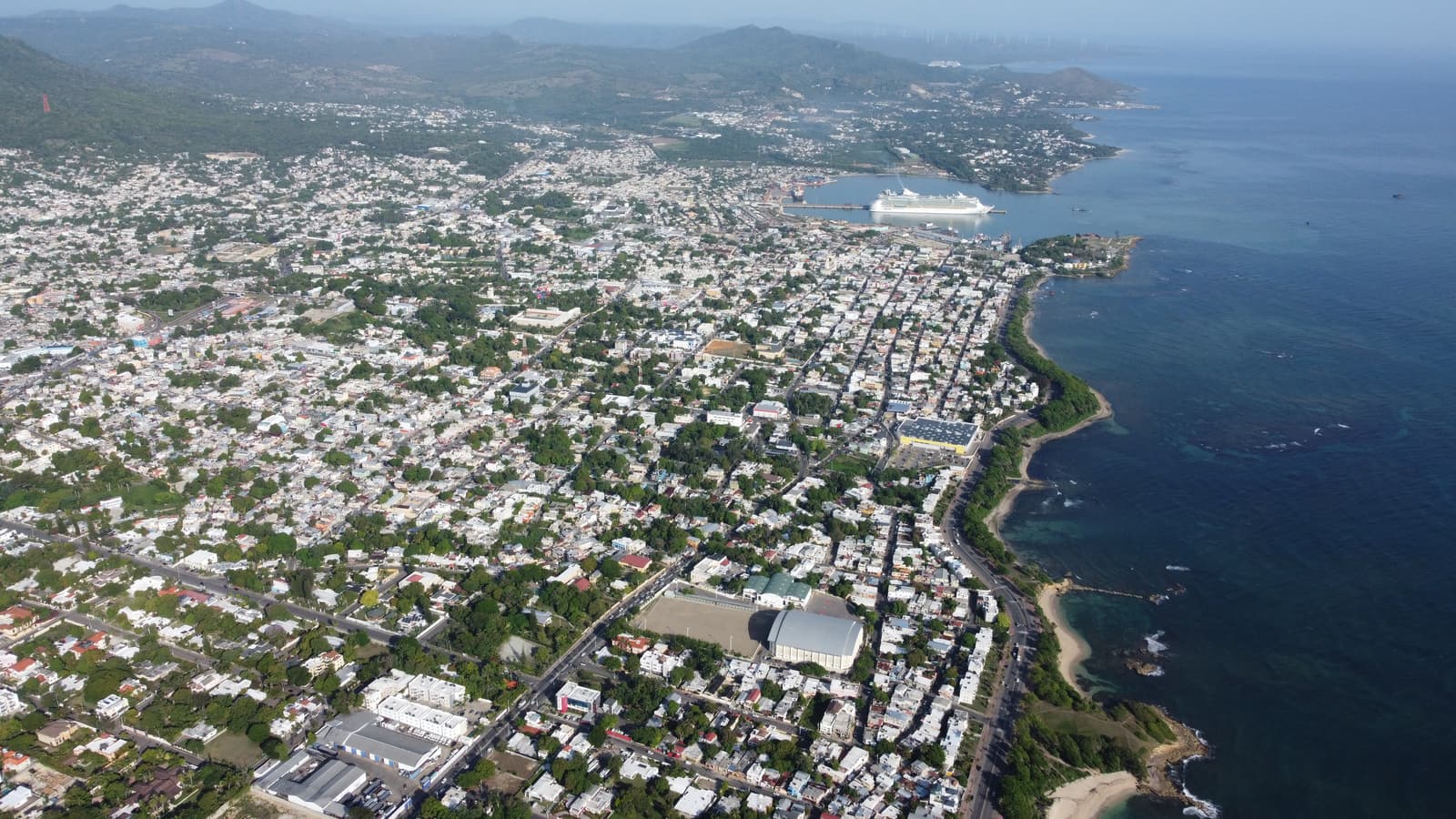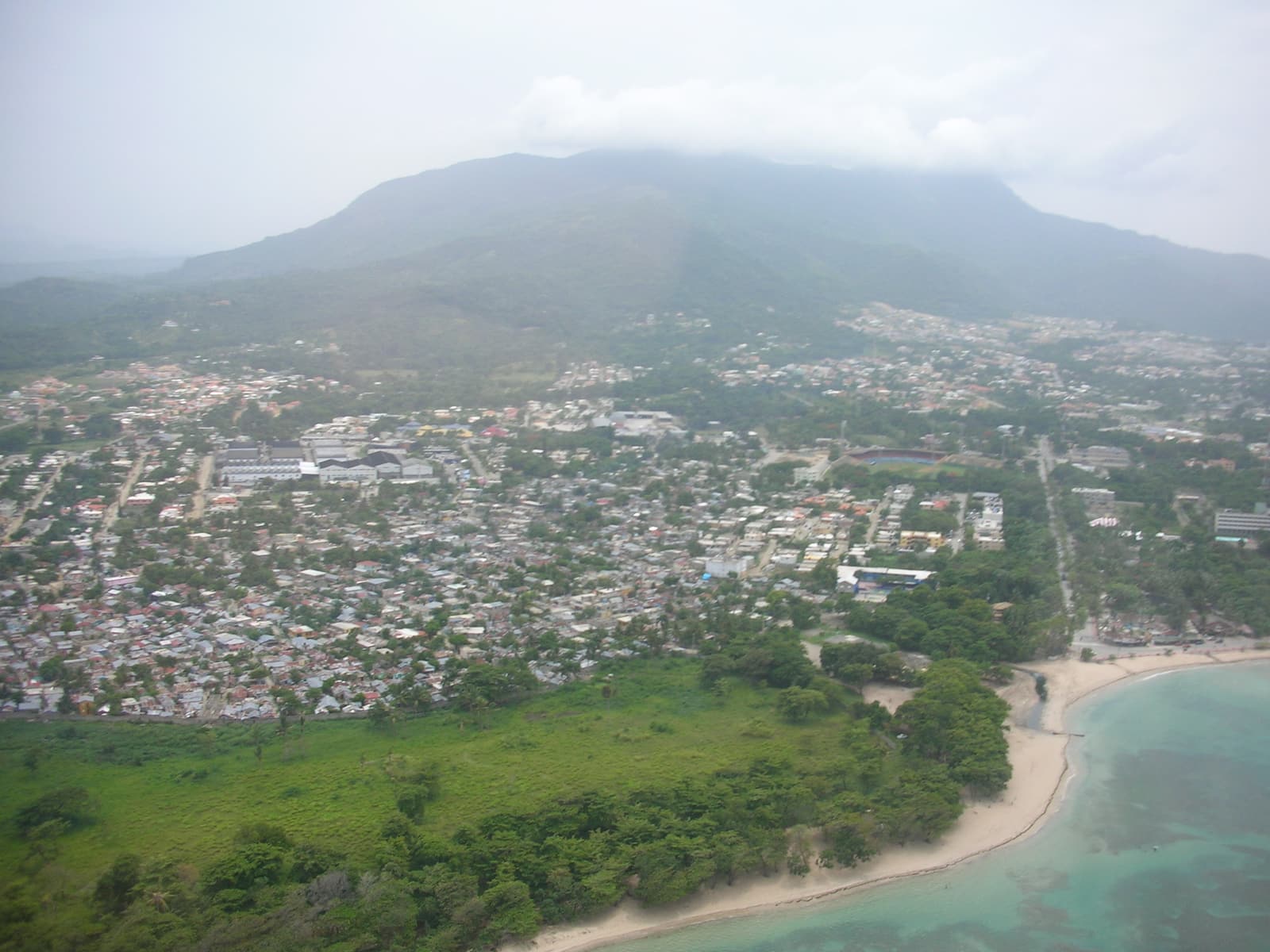
Puerto Plata is tropical: daytime temperatures sit in the high 20s to low 30s °C (low 80s to around 90 °F) in every month, and the sea is always warm enough to swim. What changes is the rain, the wind and the state of the Atlantic — and here the north coast differs from Punta Cana and the south. Its wettest months are roughly November to January, when cold fronts from North America push showers onto the mountains, and its driest are in summer.
Cruise passengers rarely choose their date, so this page is also about what to expect and how to adapt.
The year at a glance
| Season | Weather | Sea | Good to know |
|---|---|---|---|
| December – February | Warm days, cooler nights; frequent passing showers | Can be rough for days after a cold front | Peak cruise and resort season; whale season in Samaná |
| March – April | Drier and sunnier; very pleasant | Settling down | Busy around Easter; often the best all-round weeks |
| May – June | Hotter, more humid; short heavy showers | Mostly calm | Quieter; hurricane season officially starts 1 June |
| July – August | Hot and relatively dry on the north coast | Calm; steady afternoon trade wind | Best kite-surfing wind in Cabarete; local holiday season |
| September – October | Hot, humid, thundery | Calm unless a storm is near | Peak of hurricane season; fewest ships, lowest prices |
| November | Rainier again as fronts return | Swell building | Cruise season restarts; hurricane season ends 30 November |
Hurricane season
The Atlantic hurricane season runs from 1 June to 30 November, with the highest risk from mid-August to mid-October. Most weeks pass with nothing more than afternoon thunderstorms, and a direct hit on Puerto Plata is rare — but when a storm threatens, the effects are real: cruise lines reroute ships days in advance, flights are cancelled and excursions are called off.
- Cruise passengers: expect itinerary changes rather than danger. If Puerto Plata is dropped, independent tours booked with free cancellation can be refunded — one more reason to choose them.
- Stay-over visitors: buy travel insurance that covers weather disruption, and follow hotel and official advice.
Rain, cloud and the cable car
Rain on this coast usually comes as showers, not day-long downpours: a dark half hour, then sun. The exception is a winter cold front, which can bring a day or two of grey, wet, windy weather. Either way, Mount Isabel de Torres collects cloud. In any month the summit is most likely to be clear early in the morning and to disappear by midday — so if the cable car is on your list, do it first, and have a plan B.
The Damajagua waterfalls are good in almost any weather, since you are wet anyway; only very heavy rain closes the upper falls.
Sea conditions and beaches
From about November to March, northerly swells make the open beaches rougher and can cancel boat trips to Cayo Arena or catamaran cruises for a day or two. Sheltered Sosúa Bay is the safest bet for a swim then. From late spring to early autumn the sea is generally at its calmest and clearest.
Wind and waves for board sports
Cabarete has two seasons: the reliable thermal trade winds of June to August, ideal for kite-surfing and windsurfing, and the bigger winter swells that bring surfers to Playa Encuentro. Spring and autumn are the least predictable.
Events worth knowing about
- Carnival (February): Puerto Plata’s carnival fills the Malecón on weekends with masked devils known as Taimáscaros. Dominican Independence Day is 27 February.
- Whale season (mid-January to March): humpbacks gather in Samaná Bay. It is a very long day trip from Puerto Plata — for stay-over visitors only.
- Easter week (Semana Santa): the whole country heads to the beach. Expect crowds, traffic and some restrictions on water sports.
How busy is the port?
The cruise season peaks from November to April, when there may be ships at both Taino Bay and Amber Cove on the same day and several thousand visitors in town. On those days, book excursions ahead, start early and expect queues at the cable car and the waterfalls from mid-morning. In summer and early autumn there are fewer calls and everything is calmer.